Using Role Play in Couples Therapy to Unpack Communication Styles
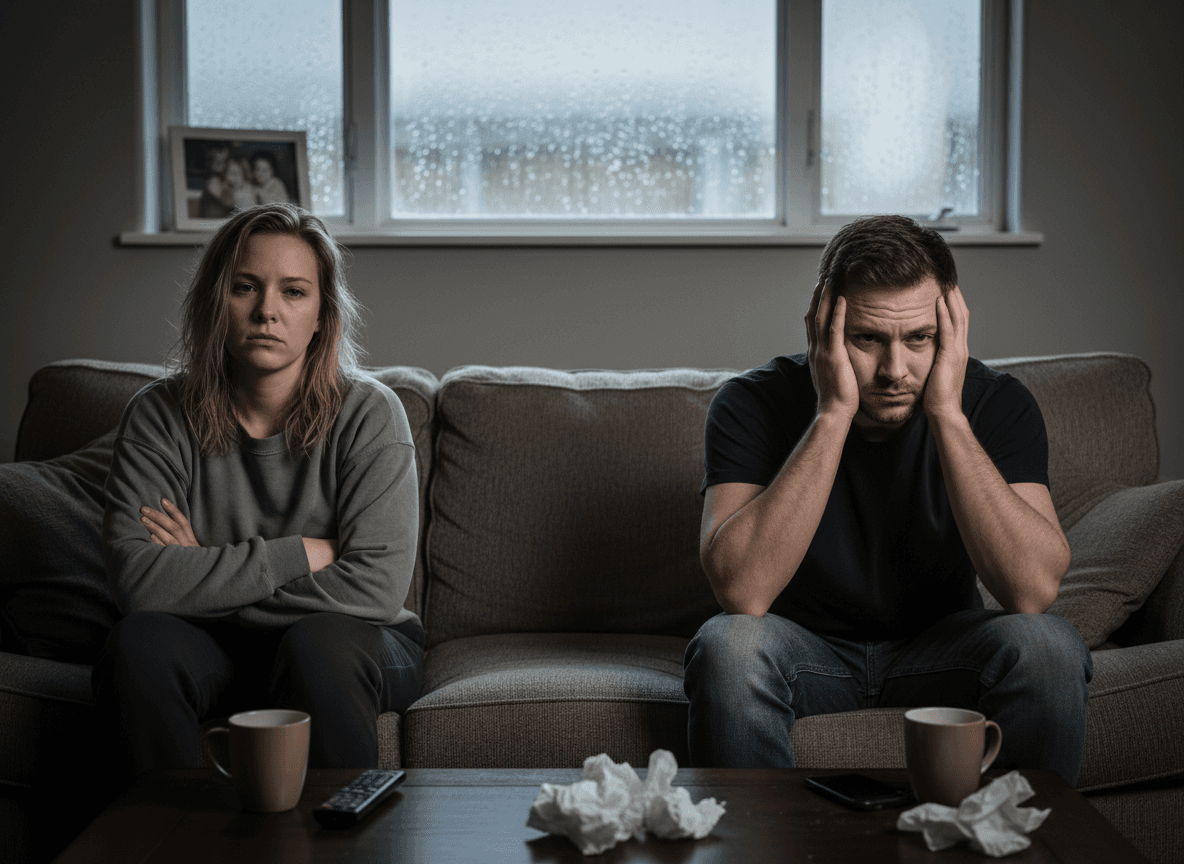
Communication is one of the most important foundations of a healthy relationship, yet it is often one of the greatest challenges couples face. Many couples enter therapy saying things like, “We keep having the same argument,” “I don’t feel heard,” or “No matter what I say, it gets taken the wrong way.” Frequently, the issue is not a lack of love or commitment — it is the communication patterns that have developed over time.
One effective technique used in couples therapy is role play. While role play can initially sound uncomfortable or awkward, it often becomes one of the most powerful tools for increasing understanding and improving connection.
Why Role Play Works
During moments of conflict, emotions can become heightened and communication can quickly shift into defensiveness, criticism, shutting down, or assumptions. In everyday life, couples are often reacting in the moment rather than slowing down enough to understand what is truly happening beneath the surface.
Role play creates a structured environment where couples can safely revisit a difficult interaction while the therapist guides the conversation. Rather than focusing on who is right or wrong, the goal is to understand the communication process itself.
What Role Play Can Reveal
Role-playing exercises can help uncover patterns that couples may not even realize they are engaging in, including:
Interrupting before the other person finishes speaking
Becoming defensive or shutting down
Difficulty expressing emotions clearly
Assuming intentions rather than asking questions
Speaking from frustration instead of vulnerability
Differences in communication styles based on family upbringing or past experiences
Sometimes a partner believes they are communicating concern while the other partner experiences the same message as criticism. Hearing and observing these interactions in real time can create meaningful insight.
Building New Communication Skills
Role play also provides an opportunity to practice healthier communication techniques, such as:
Using “I” statements instead of blame
Active listening
Reflecting back what was heard
Asking clarifying questions
Identifying emotions beneath anger or frustration
Learning to pause and regulate emotions before responding
As couples practice these skills within the therapy setting, they can begin transferring them into everyday interactions at home.
Creating a Safe Space for Change
The goal of couples therapy is not to eliminate disagreements. Conflict is a normal part of every relationship. The goal is to help couples understand one another more deeply and communicate in ways that strengthen connection rather than create distance.
Role play allows couples to step outside of automatic reactions and become curious about each other's experiences. Through guided practice, couples often discover that beneath frustration, arguments, and misunderstandings lies a desire to feel heard, valued, and understood.
Healthy communication is a skill that can be learned, practiced, and strengthened over time. Sometimes slowing down and exploring the “how” behind conversations can create the pathway toward healthier and more meaningful relationships.
At The New Pathway, we strive to create a safe and supportive environment where couples can develop healthier communication patterns, strengthen connection, and build lasting relationships.