

ADHD and the Brain: Understanding the Science
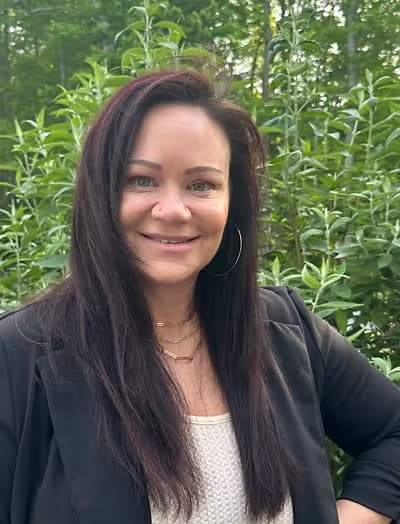
Adrienne Naleppa
Counselor, LGPC, CFRS, CTP, NCC
A supportive counseling experience that may include faith-based perspectives if desired by the client. Ocean Pines, Maryland — your safe space to begin again.
Share this article
Related Articles

If you've ever scheduled a counseling appointment, you've probably noticed a policy stating that missed appointments or cancellations made with less than 24 hours' notice may be subject to a fee. A...

As conversations around medical marijuana continue to grow, many individuals are exploring its potential role in managing both physical and mental health symptoms. At The New Pathway, LLC, we belie...

In today’s fast-paced world, sleep is often the first thing we sacrifice. Between work, parenting, and the emotional weight of daily life, it can feel like there simply aren’t enough hours in the d...